
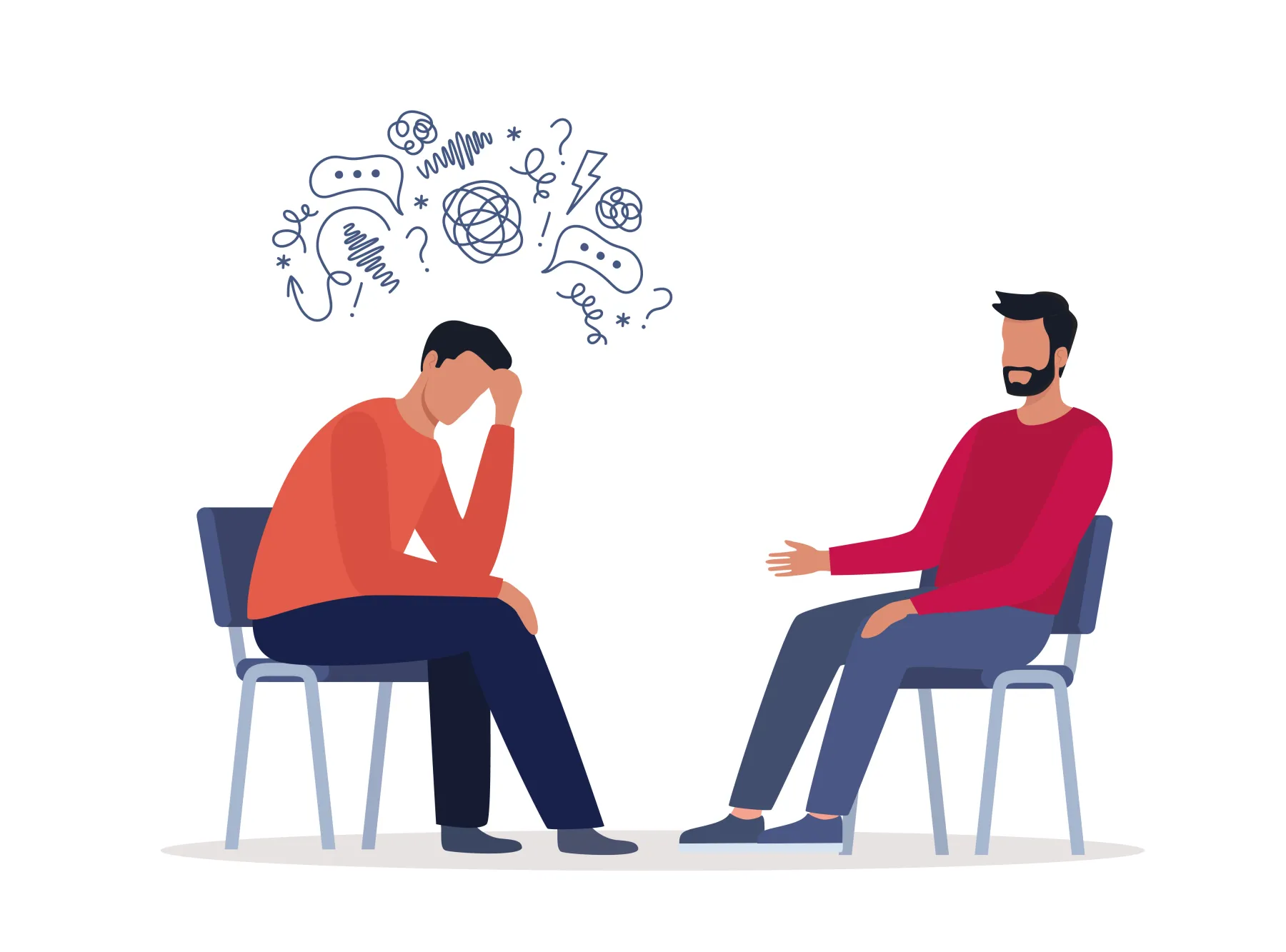
Psychologist or psychiatrist
Does it make any difference at all?
And why it often doesn't play a major role for us in practice.
If you ask ChatGPT or google the difference between a psychologist and a psychiatrist, you usually get the same explanation:
Psychologists talk, psychiatrists prescribe medication.
Psychologists treat mild cases, psychiatrists treat the severe ones.
This sounds plausible at first, but it falls far short. In reality - and especially in modern practices such as Psycura - it is clear that despite political differences, it is not the job title that is decisive, but the individual therapeutic profile.
At our practice, psychologists and psychiatrists work together closely, equally and on an interdisciplinary basis. It is not the “severity” of the psychological stress that determines the appropriate specialist, but the therapeutic relationship, focus, experience and therapeutic style. This means that a psychologist can support people in severe mental crises just as competently as a psychiatrist can support people with mild mental stress.
What is important here is the psychotherapeutic approach - and both professional groups are equally proficient in this, provided they have completed appropriate further training.
Different degree programs - common orientation in everyday practice
Psychologists study psychology with a strong focus on human experience, behavior and psychological development. Psychiatrists study medicine with a broad focus on the body and its illnesses - including mental illnesses. In clinical practice, however, the two professions converge: Both complete several years of psychotherapeutic training after graduation (usually 4-6 years) and acquire comparable skills in the diagnosis and treatment of mental illness.
Medication - yes or no? Deciding together.
Even though psychologists are not allowed to prescribe medication, they can still advise, educate and assess indications in close consultation with our psychiatrists. At Psycura, medication is never standard, but part of an individually tailored treatment concept. In certain clinical pictures - such as schizophrenia, acute psychoses or severe manic or depressive episodes - medication may be helpful or necessary, especially in the acute phase. In such cases, psychiatrists provide specialist medical support.
Modern practice. Interdisciplinary team. Cooperation at eye level.
Psychologists and psychiatrists work closely together in our practice - as a team. No one is above the other professional group, no one is “more valuable”, “more important” or “more responsible”. The therapeutic relationship, the understanding of the person and the common goal are what counts.
Conclusion
What really counts in clinical work is not the title - but the attitude, the knowledge, the experience and the quality of the relationship.
And this is exactly what we live at Psycura - professionally, humanely, together.